Condor Express sails all year from Santa Barbara Harbor, and its log shows 2,041 humpback encounters from September 2025 to September 2026. Adult fares run $80 to $125; gray whales pass from December into spring.
Updated October 22, 20263 operators compared11 sources
From each operator's own website, checked October 21, 2026. How we compare.
Sea Landing, Stearns Wharf and Santa Barbara Harbor
Santa Barbara's whale trips leave from Santa Barbara Harbor, near Stearns Wharf. Condor Express boards at the Sea Landing dock, 301 W. Cabrillo Blvd, and sails daily all year. Sunset Kidd Sailing Cruises, based at 125 Harbor Way, sails at 11 am and 2 pm during its February 15 to May 15 season. Santa Barbara Sailing Center asks guests to arrive 20 to 30 minutes before its Double Dolphin leaves.
Harbor parking costs $3 an hour, up to $18 per 24 hours, according to Santa Barbara Sailing Center. On a clear day the four northern Channel Islands are visible from the mainland, Condor Express says. Its trips may run out to the islands if whales, time and weather allow, though finding whales comes first. Its 75 ft catamaran cruises at more than 28 knots on four 700 hp diesel engines.
Twenty-seven whale, dolphin and porpoise species have been sighted in the Santa Barbara Channel, about a third of the world's total, according to Channel Islands National Park. The park sees gray whales most often from mid to late December through mid-March. Visit Santa Barbara describes the southbound migration from late fall to early spring and a northbound return in spring, when the local sailing boats run their gray whale season, mid-February to mid-May.
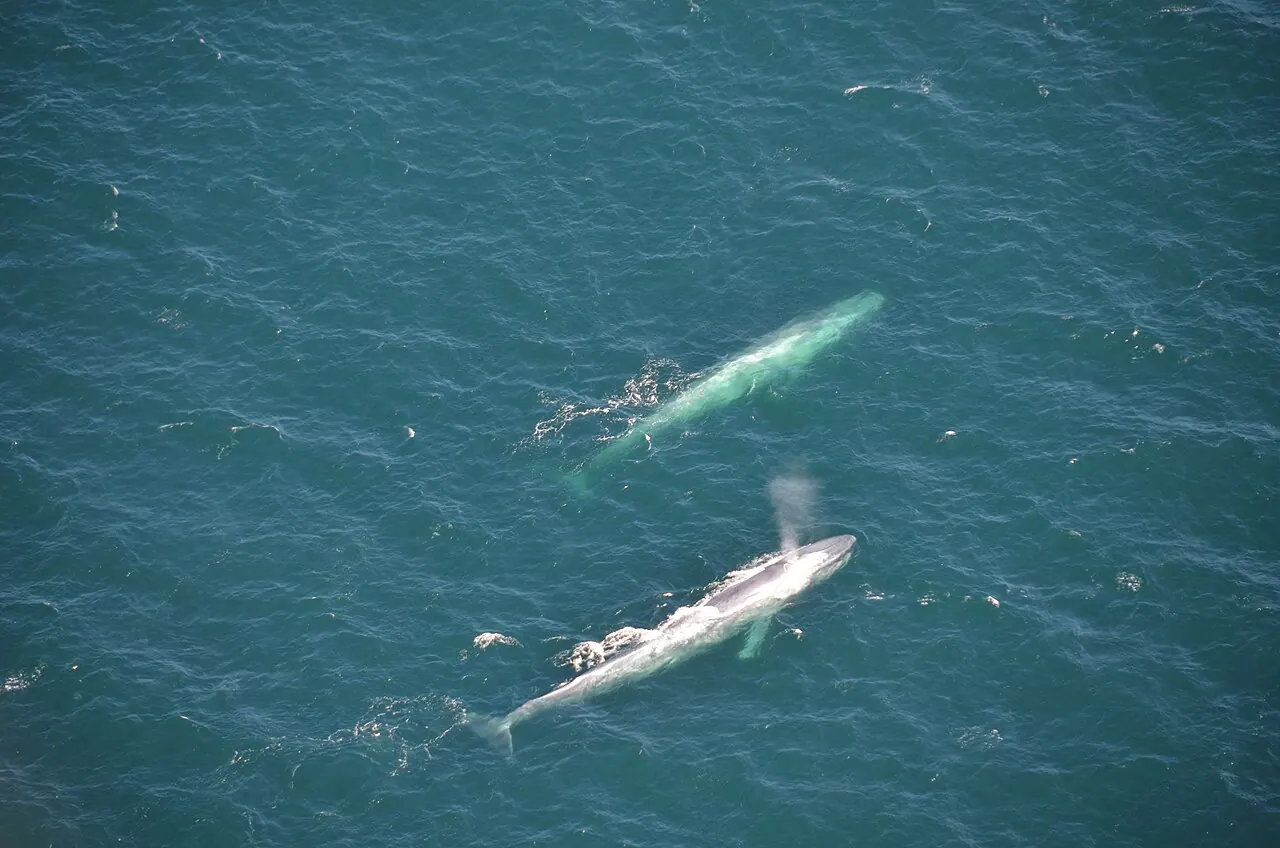
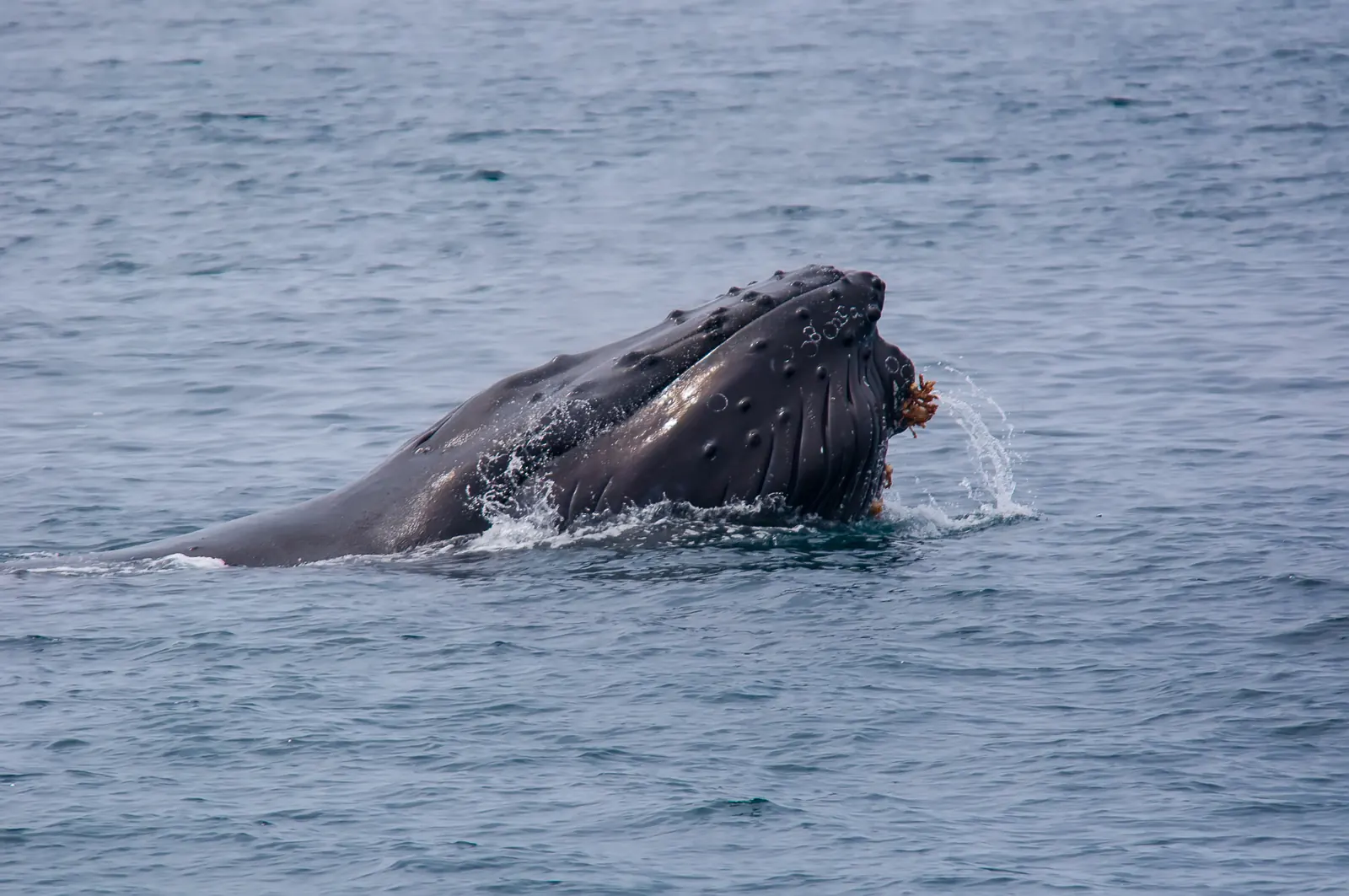
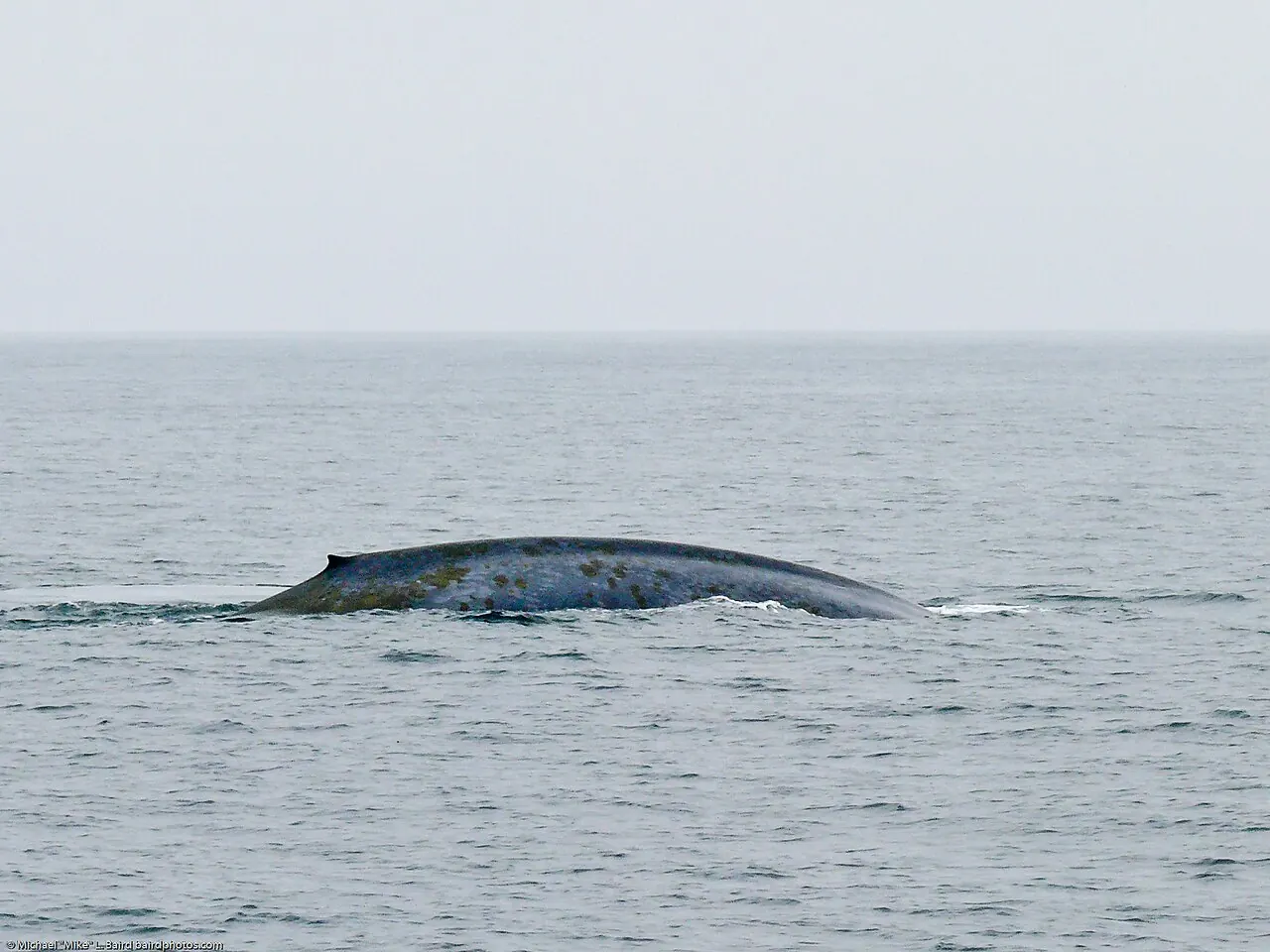
On Condor Express's count, humpbacks are by far the most frequent whale. It logged 2,041 humpback encounters between September 22, 2025 and September 22, 2026, plus 97 gray, 91 killer, 19 minke and 14 blue whale encounters. The park and Visit Santa Barbara both put the main blue and humpback season from late spring into early fall. Common dolphins are seen all year, and the park's list also includes Risso's, Pacific white-sided and bottlenose dolphins, Dall's porpoise, and sperm and pilot whales.
Morning calm before the whitecaps
The ocean runs 10 to 15 degrees cooler than the land, Condor Express says, so bring an extra layer or two even though its cabin keeps out the weather. Visit Santa Barbara adds a water-resistant jacket and sturdy closed-toe shoes. Less wind means smaller waves, and Channel Islands National Park says early morning, before the wind raises whitecaps, is the best time to scan for whales from shore.
Condor Express does not turn around or give refunds for seasickness, and it suggests taking motion sickness medication beforehand if you are prone to it. Weather can also stop the boat from reaching the feeding grounds. On board are a full galley with breakfast and lunch menus, a full bar and three restrooms. Visit Santa Barbara says no tour here currently offers a fully wheelchair-accessible vessel.
Condor Express, Sunset Kidd and the Double Dolphin
Condor Express is the large-boat option: a 75 ft catamaran certified by the Coast Guard for up to 127 passengers, with naturalists from the Channel Islands Naturalist Corps on every trip. Adults pay $80 for the 2.5-hour spring trip (February 11 to early May) and $125 for the 2.5-hour winter trip and the 4.5-hour summer and fall trip, plus a 3.5% service fee. Children 5 to 12 pay $60 to $75 and under-5s ride free.
If no whales are seen, Condor Express gives a whale check for a free trip of equal value, at the captain's discretion, and it never expires; there are no cash refunds on whale trips. Sunset Kidd takes up to 16 on a 41 ft ketch for $80 per adult, or $40 for children 4 to 10 on the morning trip. Guests can help sail on what it calls true sailing rather than a narrated ride. It cites an expected 65% sighting rate in season, offers no guarantee and needs four passengers to go.
Santa Barbara Sailing Center's 50 ft sailing catamaran Double Dolphin carries up to 49 on about 1,400 square feet of deck, for roughly 2.5 hours, mornings and afternoons daily from mid-February to mid-May. Its fare is not shown on its pages. Payments are non-refundable; cancelling 72 hours or more ahead earns house credit that does not expire, and weather cancellations also get credit. It recommends trip insurance.
Watching from shore
Shoreline Park and Douglas Family Preserve. Visit Santa Barbara names both parks for walks with a chance to see whales breaching offshore. It says gray whale mothers and calves often swim close to shore along the coastal cliffs.
Before you book
Book weekday trips at least 2 to 3 days ahead, weekends and holidays 2 to 3 weeks ahead, and large groups or peak-season trips a month or more ahead, Visit Santa Barbara advises.
Condor Express suggests checking wind and waves before the trip, since less wind means smaller waves; the Santa Barbara Landing office can give a weather report.
Under Coast Guard rules, infants count as full passengers on Santa Barbara Sailing Center's Double Dolphin.
Santa Barbara Harbor parking is $3 an hour with an $18 maximum per 24 hours.
Getting there. Santa Barbara Municipal Airport (SBA) is 7 miles (11 km) west of downtown Santa Barbara.
Channel Islands National Park says gray whales are seen most from mid-to-late December through mid-March, and blue and humpback whale watching from summer into early fall. Santa Barbara Sailing Center puts gray whales at mid-February to mid-May and blues and humpbacks at July to September, and Condor Express sails year round.
How much does whale watching in Santa Barbara cost?
Condor Express charges adults $80 for its spring 2.5-hour trip and $125 for winter trips and the 4.5-hour summer and fall trips, plus a 3.5% service fee. Sunset Kidd's sailing whale watch costs $80 per adult, or $40 for children 4 to 10 on the morning trip.